Victoria's Largest and Most Comprehensive Gathering of Healthcare Leaders
13-14, October, 2026
| Collins Square Events Centre, Melbourne
Agenda Day 2
9:00 am - 9:40 am
PANEL DISCUSSION: DELIVERING ON TIME AND ON BUDGET: PROJECT GOVERNANCE AND RISK MANAGEMENT IN COMPLEX HEALTH BUILDS
Neil Sigamoney -
Director Capital, Engineering and Facilities,
Monash Health
Ishmeet Singh - Divisional Director of Capital, Engineering & Security and Director of Procureme, Northern Health
Mignon Stapelberg - Director - Infrastructure, Department of Health (WA Health)
From scope creep to supply chain volatility and workforce shortages, this session examines the governance structures, risk frameworks and contractor relationships that separate successful projects from troubled ones. Panellists will draw on live project experience to offer actionable insights for owners and project teams.
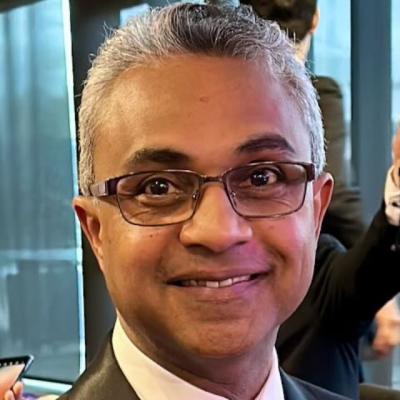

Ishmeet Singh
Divisional Director of Capital, Engineering & Security and Director of ProcuremeNorthern Health

9:40 am - 10:10 am
PRESENTATION: HIQ'S DELIVERY APPROACH AND A COMPARISON OF HEALTHCARE DELIVERY IN NZ VS. QLD
Blake Lepper -
Deputy-Director General,
Health Infrastructure Queensland
10:10 am - 10:40 am
PROJECT CASE STUDY: THE $910 ROUSE HILL HOSPITAL DEVELOPMENT
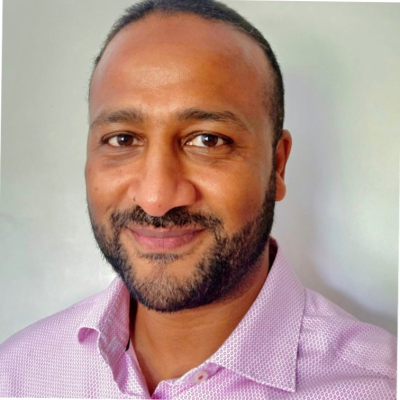
Mohamed Nasr -
Project Lead,
Rouse Hill Hospital

10:40 am - 11:10 am
Morning Coffee Break
11:10 am - 11:40 am
RESERVED FOR PCI
11:40 am - 12:40 pm
Interactive Discussion Groups
11:40 am - 12:40 pm
TABLE 1: OPERATIONALISING MODELS OF CARE: HOW DESIGN ENABLES (OR HINDERS) CLINICAL CHANGE MANAGEMENT
Claire Chapman-Diaz -
Project Director,
New Women and Babies Hospital Project

11:40 am - 12:40 pm
TABLE 2: DESIGNING FOR THE FUTURE: ARE OUR HOSPITALS READY FOR AI, DIGITAL AND EMERGING TECHNOLOGIES?
Nilmini Wickramasinghe -
Professor and Optus Chair Digital Health,
La Trobe University
Nalika Ulapane - Research Fellow, La Trobe University
Nalika Ulapane - Research Fellow, La Trobe University


11:40 am - 12:40 pm
TABLE 3: DESIGNING FOR THE FUTURE: ARE OUR HOSPITALS READY FOR AI, DIGITAL AND EMERGING TECHNOLOGIES?
Martin Canova -
Executive Director Strategy, Planning & infrastructure,
Cairns and Hinterland Health Service
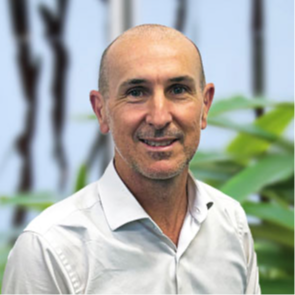
Martin Canova
Executive Director Strategy, Planning & infrastructureCairns and Hinterland Health Service
12:40 pm - 1:40 pm
Lunch Break
1:40 pm - 2:10 pm
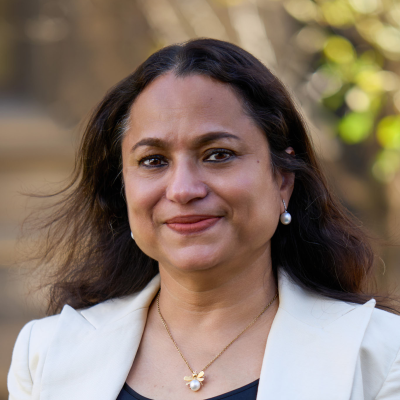
PRESENTATION: ADAPTIVE REUSE OF HEALTH INFRASTRUCTURE: RECENT RESEARCH FROM THE RMIT POST CARBON RESEARCH CENTRE
Priya Rajagopalan -
Director, Post-Carbon Research Centre,,
RMIT University
Payam Pirzadeh - Researcher, RMIT University
As health-infrastructure investment in new facilities slows across Australia, the case mounts for the adaptive re-use of the existing estate. In this recently published paper from the RMIT Post Carbon Research Centre, case studies and compelling evidence is compiled to guide future investment decisions likely to shape the next wave of projects.

2:10 pm - 2:40 pm
PROJECT CASE STUDY: NEW $1.8 BILLION WOMEN AND BABIES HOSPITAL WA
Claire Chapman-Diaz -
Project Director,
New Women and Babies Hospital Project
The $1.8 billion+ New Women and Babies Hospital project in Western Australia, located at the Fiona Stanley Hospital precinct in Murdoch, will replace the aging King Edward Memorial Hospital. Scheduled to open in 2029, this project will provide advanced maternity, neonatology, and gynecology services. Construction is underway, creating over 1,400 jobs and featuring a 12-story facility.
2:40 pm - 3:10 pm
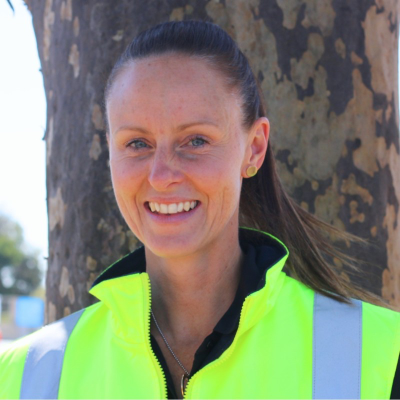
FIRESIDE CHAT: FROM DESIGN TO DAY ONE: WHAT ACTUALLY HAPPENS WHEN A HOSPITAL GOES LIVE
Wais Osmani -
Project Director,
Peninsula Health
Sarah Hose - Project Director - FHR Redevelopment, Peninsula Health
Delivering a new hospital is often seen as the finish line but in reality, it marks the beginning of the most complex and high-risk phase of the project lifecycle. This candid fireside brings together both sides of the delivery journey, exploring how design intent, stakeholder decisions and commissioning strategies hold up once the building becomes operational. By joining you will:
• Understand the most common failure points that emerge immediately post-go-live and why they are often repeated across projects
• Learn how early design, stakeholder engagement and planning decisions directly impact operational performance
• Gain practical strategies to improve operational readiness, reduce risk and better prepare teams for Day One realities

3:10 pm - 3:30 pm
Afternoon Tea Break
3:30 pm - 4:10 pm
PANEL DISCUSSION: WORKFORCE, TRADES AND DELIVERY CAPACITY: CAN THE INDUSTRY KEEP UP?
Mark Russell -
National Property and Development Manager,
Aurora Health
Stuart Squire - Executive Director, Grampians Local Health Service Network
Jane Leong - Director Development, Australian Centre for AI in Medical Innovation
Jenny Walsh - Executive Director Strategy & Planning, Alfred Health
Australia faces a projected peak labour demand more than double current capacity by late 2026, driven by concurrent mega-projects in Victoria, Queensland and NSW. This panel examines how health owners, builders and governments can collaborate to manage workforce constraints, avoid cost escalation and deliver safely, drawing on lessons from recent major projects.




4:10 pm - 4:50 pm
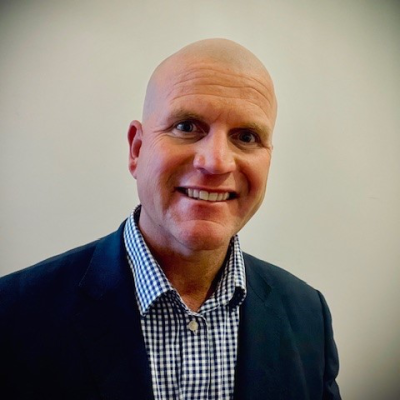
PANEL DISCUSSION: THE MISSING MIDDLE: INVESTING IN COMMUNITY AND ABORIGINAL HEALTH INFRASTRUCTURE
Llewellyn Reynders -
Director Research and Policy at Infrastructure Victoria,
Infrastrucutre Victoria
Don Tidbury - CEO, DPV Health
As health systems shift focus toward prevention and care closer to home, infrastructure investment must evolve beyond major hospitals. This session brings together policy research and on-the-ground delivery experience to examine what it takes to design and build community health infrastructure that works for culturally diverse and underserved populations.
• The evidence base for investing in community and ACCHO infrastructure and why funding continues to fall short
• What culturally informed design looks like in practice, from master planning through to site delivery
• How community health organisations can navigate funding constraints and staging to deliver infrastructure that meets the needs of diverse communities

Llewellyn Reynders
Director Research and Policy at Infrastructure VictoriaInfrastrucutre Victoria