Healthcare 2040 Expo - Futures Agenda Day 1
Healthcare 2040 Expo - Futures Agenda Day 1
Day 1
9:00 am - 9:40 am
Keynote Panel Discussion: Connecting the Dots: Realising Australia’s End-to-End Digital Health Vision
Tanya Kelly -
Deputy Director-General,
eHealth Queensland
Michael Bakker - Chief Pharmacist Information Officer, SA Health
Imagine a health system where every touchpoint, from aged care to primary, acute, and community services, is seamlessly connected. Where data moves securely with the consumer, where AI and digital tools amplify workforce capability, and where care is genuinely person-centered, predictive, and proactive. This keynote panel brings together Australia’s leading digital health, clinical, and policy voices to explore what an integrated, digitally enabled care ecosystem could look like by 2040 and what it will take to get there.
The Connected Continuum: What does a fully integrated digital care model look like across primary, tertiary, aged, and community health?
Human-Centred Design: Ensuring digital transformation enhances consumer experience and clinical workflow, not just system efficiency.
Systemwide Readiness: What cultural, educational, and digital literacy shifts are needed for both consumers and clinicians?
The Metrics That Matter: Measuring success beyond digital adoption - towards outcomes, equity, and value.
From Vision to Reality: What policy, funding, and governance models will make this connected ecosystem achievable?


8:50 am - 9:00 am
Chairperson's Welcome to Country & Opening Remarks
9:40 am - 10:10 am
International Keynote Presentation: What Will Healthcare Look Like Globally in 2040: Transformations Ahead for Australia
By 2040, healthcare as we know it will be unrecognisable. Advances in data science, AI, sensors, and predictive analytics will turn care from reactive to radically proactive - focused on wellness, prevention, and continuous monitoring rather than episodic treatment. Globally, the convergence of consumer digital ecosystems with clinical infrastructure backbones will redefine where and how care is delivered, transforming homes, workplaces, and communities into points of care. Join Marc d. Paradis as he takes a visionary look at the next era of global healthcare, exploring the technologies, systems, and policy shifts shaping this future - and what Australia must do today to prepare for it.
Passive diagnosis and predictive health: from reaction to prevention
Blending the digital world with the clinical backbone to create a fully-connected ecosystem
Redefining care settings — from hospital-centric to community and home-based models
The global health revolution: what Australia can learn and lead in
The strategic, digital, and cultural foundations needed now to thrive in 2040
10:10 am - 10:50 am
Panel Discussion: Rethinking Chronic Care: Designing a Lifelong Healthcare Journey
Chris Blake -
Group Chief Executive Officer,
Saint Vincent’s Hospital
Katharine See - Chief Health Outcomes Officer, Northern Health
Lahiru Russell - Strategic Fellow (Evaluations), Deakin University



10:50 am - 11:10 am
Reserved for Heidi Health
10:50 am - 10:50 am
PRODUCTIVITY PROGRAM
11:10 am - 11:30 am
Presentation: Showcasing The Biggest Drivers and Key Trends Shaping The Healthcare Industry Today: Evidence-Based Insights from the AIHW
Dr Zoran Bolevich -
Chief Executive Officer,
Australian Institute of Health and Welfare
As health journeys become more complex and new challenges are uncovered, evidence-rich insights that reveal shifts and trends are invaluable. The Australian Institute of Health and Welfare is using linked data assets from the whole health continuum to build a picture of trends and drivers effecting the Australian Healthcare Industry today. Join to gain data-led insights and understand how these trends will effect you and your organisation:
- A clear understanding of the top drivers influencing the future of Australian healthcare, such as, but not limited to, preventative care and virtual health
- Practical frameworks for benchmarking to improve health system performance
- Strategic foresight to support future-ready planning and decision-making in policy, service design, or care delivery

11:30 am - 11:50 am
Presentation: Advancing Prosperity in Healthcare: Translating the Productivity Commission's Report into Real Impact
Emily Mailes -
Chief eStrategy Officer,
Victorian Department of Health
The Productivity Commission’s Advancing Prosperity report highlights major opportunities for reform, yet healthcare productivity metrics are still going regressing. In this session, Emily Mailes explores how to turn recommendations into action to drive genuine time and cost savings through digital health, system integration, and innovation.
- Why healthcare productivity remains stagnant despite reform insight
- How digital health can align with and advance the Commission’s recommendations
- Practical strategies to achieve measurable efficiency and outcomes


11:50 am - 12:10 pm
Reserved for NexusMD
12:10 pm - 12:30 pm
Presentation: Health System Integration in Action in Primary Care - the Department of Health, Disability, and Ageing
12:30 pm - 12:30 pm
AI PROGRAM
12:30 pm - 1:10 pm
Panel Discussion: Creating a 15-year AI Roadmap: How Will Care Be Redefined By AI over the Next 15 Years?
1:10 pm - 1:30 pm
Presentation: Evaluating AI Scribes: Turning Promise Into Practical, Scalable Value in Primary Care
1:30 pm - 1:50 pm
Reserved for Sponsor
1:50 pm - 2:10 pm
Presentation: Shaping the Future: AI’s Role in Transforming NSW Health
Richard Taggart -
Chief Executive of eHealth NSW and CIO for NSW Health,
eHealth NSW

2:10 pm - 2:10 pm
PREVENTATIVE, PREDICTIVE & PERSONALISED CARE PROGRAM
2:10 pm - 2:30 pm
Presentation: Reimagining Care: Showcasing Sydney LHD’s Journey Toward Virtual, Intelligent, and Personalised Healthcare
2:50 pm - 3:10 pm
Presentation
3:10 pm - 3:50 pm
Panel Discussion: Wearables & The Rise Of Preventative Care: How Do We Drive The Best Healthcare Future For Australia?
Lily Liu -
Divisional Director of Digital Health,
Western Health
Juliana Iles-Mann - Program Director - ICT, NSW Health Pathology
Samuel Gluck - Medical Admin and Medical Education Registrar, Northern Adelaide Local Health Network
As wearable technology becomes more sophisticated and accessible, it’s reshaping how individuals manage their health, often outside traditional clinical settings. From heart rate monitoring to ovulation tracking, consumers are not just collecting data but making real-time, informed decisions about their wellbeing. This panel explores how consumers are leading health industry change, what this means for the healthcare system, and why it’s time for governments and providers to define their role in this consumer-led transformation.





Samuel Gluck
Medical Admin and Medical Education RegistrarNorthern Adelaide Local Health Network

3:50 pm - 3:50 pm
PATIENT EXPERIENCE PROGRAM
3:50 pm - 4:30 pm
Panel Discussion: Revolutionising Patient Experience Through Digital Innovation
Terence Joe -
Manager, Patient Experience,
Southern NSW Local Health District
Chirag Lodhia - Digital Health Training, Adoption, Digital Pathology and Contact Centre Director, Monash Health
Anne Marie Hadley - Chief Experience Officer, NSW Health
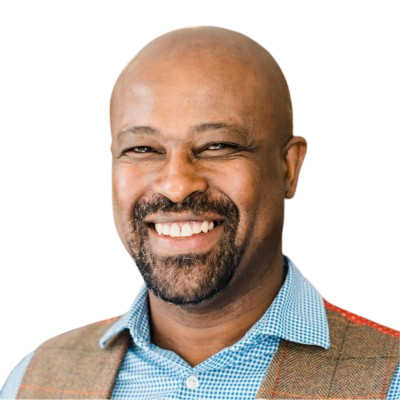


Chirag Lodhia
Digital Health Training, Adoption, Digital Pathology and Contact Centre DirectorMonash Health


4:30 pm - 4:50 pm
Presentation: Augmenting Patient Flow With Predictive Modelling And Wireless Movement Mapping
Paul Middleton -
Chief Medical Information Officer,
South Western Sydney Local Health District
Digital twins, combined with WiFi-based triangulation of patient movements create a powerful lens into hospital dynamics, revealing hidden patterns that impact care delivery. By breaking down data silos and mapping real-time flow, healthcare teams can anticipate bottlenecks, optimise resources, and adapt shift patterns with precision. Join Paul Middleton as he shares the integrated approach that transforms raw data into actionable insights, fostering a responsive environment where outcomes improve through smarter, predictive management of patient flow.

Paul Middleton
Chief Medical Information OfficerSouth Western Sydney Local Health District